

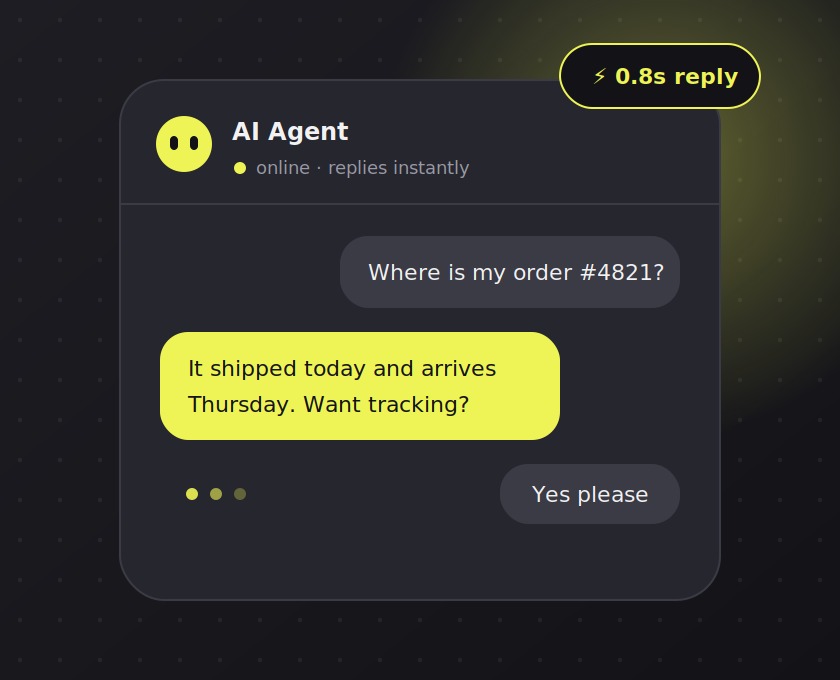
Support automation has a credibility problem, and most of it is earned. Anyone can ship a bot that deflects the easy tickets. The demos look good precisely because they are measured against the easiest possible denominator.
The teams getting durable savings are not deflecting more tickets. They are changing what the remaining tickets cost, and how many never get created.
Deflection is the least interesting metric
Deflection rate flatters an agent by counting every interaction where a human was not involved -- including the ones where the customer gave up and emailed support anyway. A rising deflection number alongside flat handle time is a warning, not a win.
We prefer to track three things instead: the share of conversations resolved without escalation, the median time to a correct answer, and the number of repeat contacts from the same account in the following week.
Where the savings actually come from
Three sources show up consistently. First, pre-authentication work: an agent that can check order status, reset a device or pull an invoice resolves the majority of "where is my order" contacts without a queue.
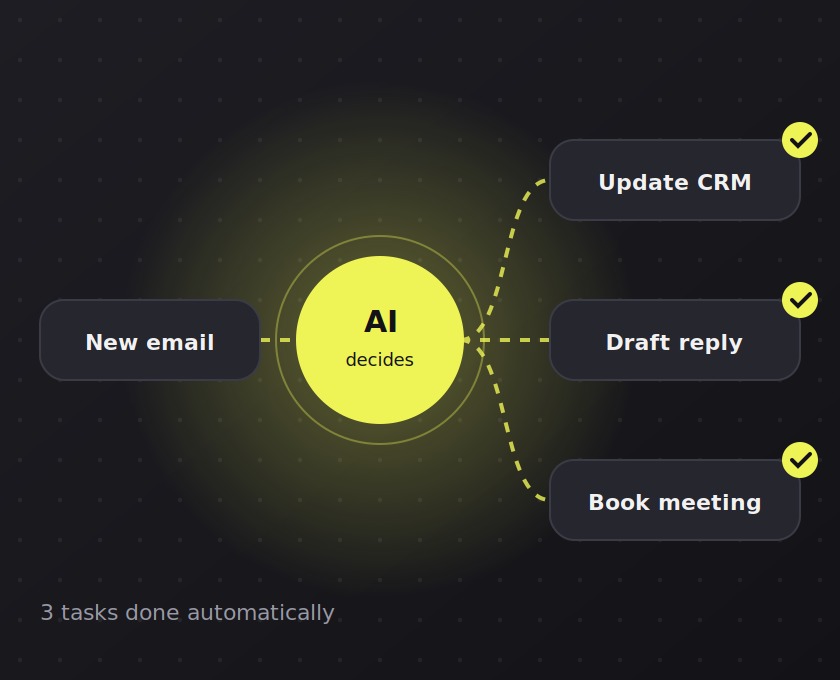
Second, routing. Classifying intent correctly on the first pass removes the internal transfer, which is where a surprising amount of handle time hides. Third, summarisation -- an agent that writes the case note means the human who eventually picks it up starts with context already attached.
Why pilots stall
Almost always the same three reasons. The agent was trained on documentation that nobody maintains. The escalation path was never designed, so every hard case became a silent failure. Or the agent was launched without anyone on the team owning its accuracy over time.
The fix is unglamorous: pick a narrow intent, own the escalation path, and review a sample of transcripts weekly for the first quarter. An agent nobody audits degrades faster than one nobody built.
 Search
Leave a comment